
Dental pain can disrupt your daily routine, making it difficult to eat, sleep, or focus on work. Fortunately, advancements in modern dentistry have made root canal procedures faster, more comfortable, and more efficient than ever before.
One such advancement is the single sitting root canal treatment in Bilaspur, a procedure that allows patients to complete their treatment in just one appointment.
If your dentist has recommended a root canal, you may be wondering what actually happens during the procedure. Understanding each step can help ease anxiety and prepare you for a smooth dental experience.
What Is a Single Sitting Root Canal Treatment?
A single sitting root canal treatment is an advanced endodontic procedure in which the infected or damaged pulp inside a tooth is removed, cleaned, disinfected, and sealed in a single visit.
Traditionally, root canal treatments often required multiple appointments. However, with modern dental technology, digital imaging, and advanced rotary instruments, many patients can now benefit from a single sitting RCT that saves both time and effort.
Patients experiencing severe tooth pain, dental infection, or deep tooth decay often choose single sitting root canal treatment in Bilaspur because of its convenience and effectiveness.
When Is a Single Sitting RCT Recommended?
A dentist may recommend a single sitting RCT when:
The infection is limited and manageable
The tooth structure is stable
There is no significant swelling or abscess
The root canals can be thoroughly cleaned in one visit
The patient prefers a faster treatment option
A consultation with an experienced RCT dentist near Bilaspur can help determine whether you're a suitable candidate for this treatment.
Step-by-Step: What Happens During a Single Sitting Root Canal Treatment?
1. Comprehensive Dental Examination
The process begins with a detailed dental evaluation. Your dentist will examine the affected tooth and may take digital X-rays to assess the extent of damage.
This diagnostic stage helps determine whether single sitting root canal treatment is appropriate and allows the dentist to create a personalized treatment plan.
Modern digital dental X-rays provide highly accurate images, enabling precise treatment and improved patient outcomes.
2. Local Anesthesia for Comfort
One of the biggest misconceptions about root canals is that they are painful. In reality, modern root canal treatment is designed to relieve pain rather than cause it.
Before starting the single sitting RCT procedure, the dentist administers local anesthesia to numb the treatment area. This ensures maximum comfort throughout the procedure.
Most patients report feeling little to no pain during treatment.
3. Isolation of the Tooth
To maintain a sterile environment, the dentist places a dental dam around the affected tooth.
This protective barrier helps prevent contamination from saliva and ensures that the tooth remains clean throughout the single sitting root canal treatment.
Maintaining proper isolation is a critical step in successful endodontic treatment.
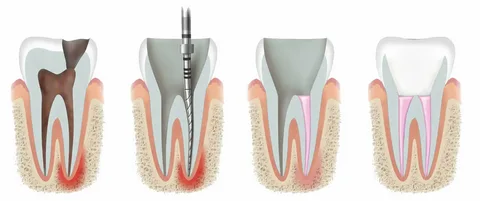
4. Accessing the Infected Pulp
Once the tooth is numb, the dentist creates a small opening in the crown of the tooth.
This opening provides access to the infected or damaged pulp tissue inside the tooth.
The infected nerve tissue, bacteria, and debris are carefully removed to eliminate the source of pain and infection.
5. Cleaning and Shaping the Root Canals
The next stage of the single sitting RCT procedure involves cleaning and shaping the root canals.
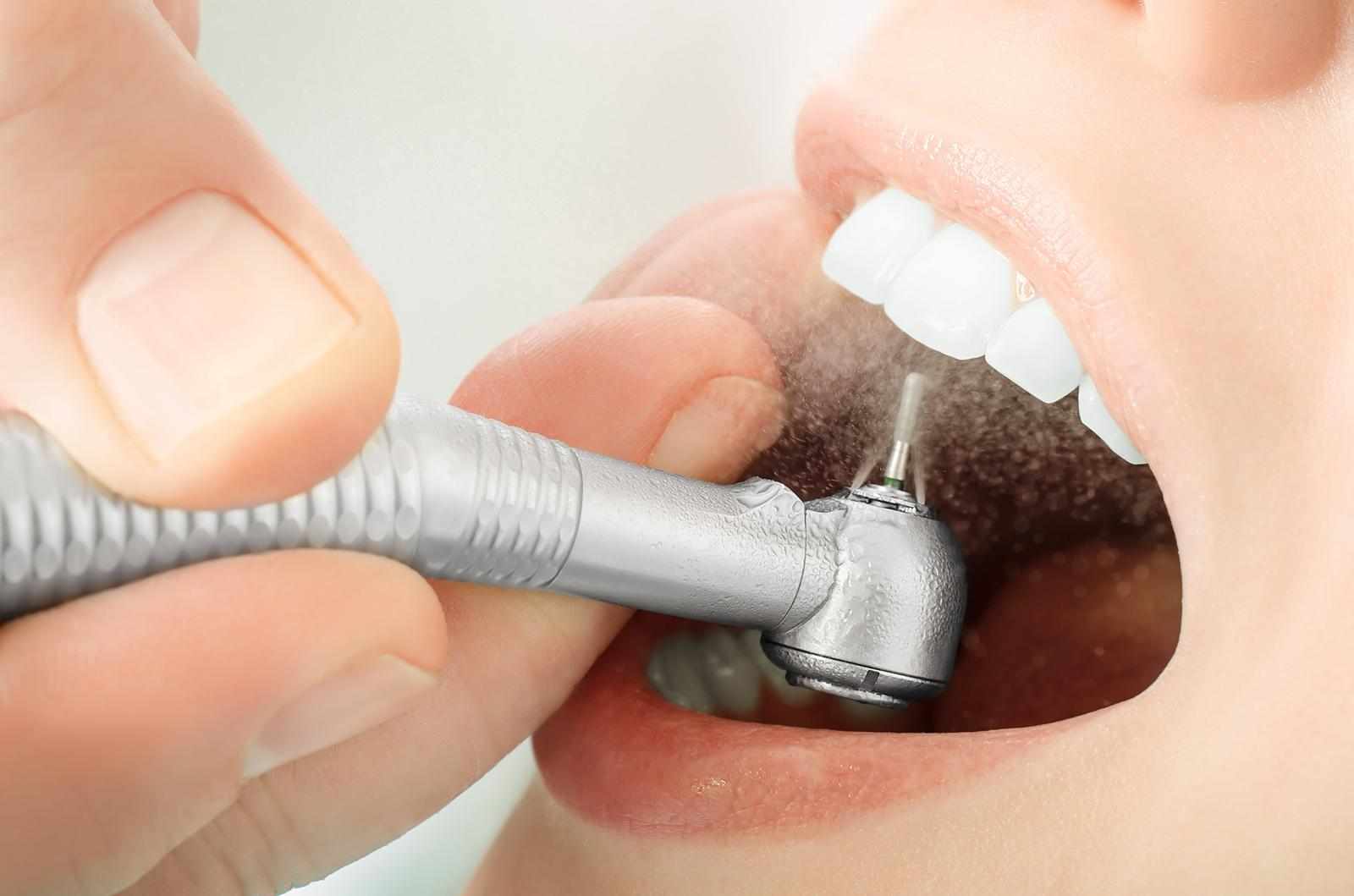
Using advanced rotary instruments, the dentist thoroughly disinfects the canals and removes any remaining bacteria.
This step is crucial because proper cleaning significantly reduces the risk of reinfection.
Many clinics offering single sitting root canal treatment in Bilaspur use modern rotary endodontic systems that improve precision and reduce treatment time.
6. Disinfection of the Canal System
After cleaning, the canals are irrigated using special antimicrobial solutions.
These solutions help eliminate microscopic bacteria that may remain inside the tooth.
Effective disinfection is one of the most important aspects of successful root canal therapy and contributes to long-term treatment success.
7. Filling and Sealing the Canals
Once the canals are completely cleaned and disinfected, they are filled with a biocompatible material known as gutta-percha.
The canals are then permanently sealed to prevent future bacterial contamination.
At this stage, the infection has been removed and the tooth structure is protected from further damage.
8. Tooth Restoration
Depending on the condition of the tooth, the dentist may place a temporary or permanent restoration after the root canal.
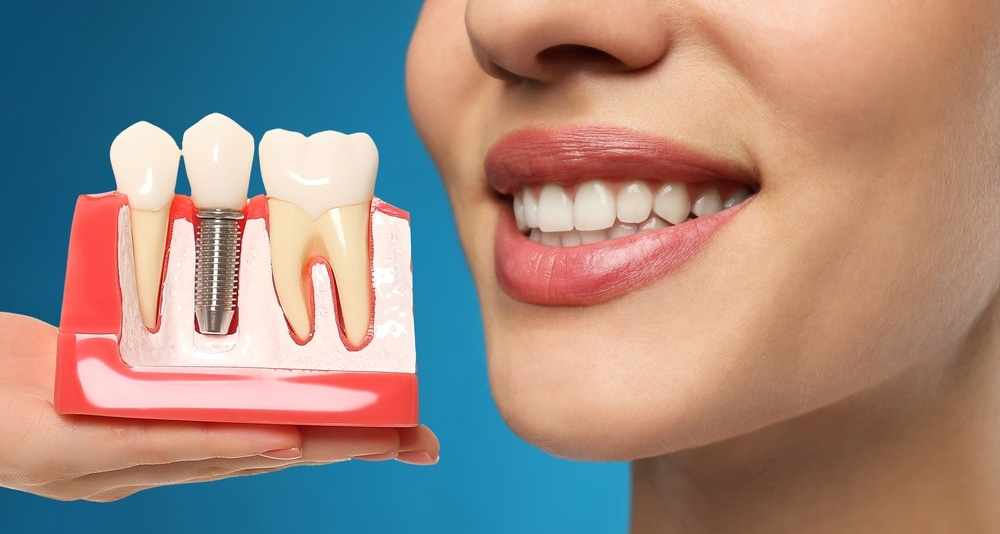
In many cases, a dental crown treatment is recommended to strengthen and protect the treated tooth.
A crown helps restore chewing function while preserving the longevity of the tooth.
Benefits of Single Sitting Root Canal Treatment
There are several reasons why patients prefer single sitting RCT over traditional multi-visit procedures.
Saves Time
The most obvious advantage is convenience. Completing the treatment in one appointment means fewer visits to the clinic.
Faster Pain Relief
Removing the infection during a single session often provides quicker relief from dental discomfort.
Reduced Risk of Recontamination
Because the treatment is completed in one visit, there is less opportunity for bacteria to re-enter the canal system between appointments.
Improved Patient Comfort
Many patients appreciate avoiding multiple injections and repeated dental visits.
This makes single sitting root canal treatment in Bilaspur an attractive option for busy professionals, students, and elderly patients.
Recovery After a Single Sitting Root Canal
Recovery is generally straightforward. Mild tenderness or sensitivity may occur for a few days after treatment, but this usually subsides quickly.
Patients are typically advised to:
Avoid chewing hard foods initially
Maintain excellent oral hygiene
Attend follow-up appointments if required
Brush and floss regularly
Follow all instructions provided by their dentist
Most individuals can return to normal daily activities shortly after the procedure.
Choosing the Right Dentist
The success of a root canal largely depends on the expertise of the dentist and the technology used during treatment.
When searching for an RCT dentist near Bilaspur, look for a clinic that offers:
Advanced endodontic treatment
Digital diagnostic technology
Rotary root canal systems
Comprehensive dental care
Experienced dental professionals
Choosing the right provider can significantly improve treatment outcomes and patient comfort.
Final Thoughts
A single sitting root canal treatment is a modern, efficient solution for treating infected or damaged teeth. By combining advanced technology with expert care, dentists can often complete the entire procedure in one appointment while maintaining high success rates.
If you're experiencing tooth pain or signs of infection, consulting an experienced RCT dentist near Bilaspur can help determine whether single sitting root canal treatment in Bilaspur is the right choice for you. With prompt treatment, you can preserve your natural tooth, eliminate discomfort, and restore your oral health with confidence.
Frequently Asked Questions (FAQs)
1. Is a single sitting root canal treatment painful?
No. Modern single sitting root canal treatment is performed under local anesthesia, making the procedure comfortable and virtually pain-free. Most patients experience minimal discomfort during treatment and mild sensitivity afterward, which usually subsides within a few days.
2. How long does a single sitting RCT procedure take?
The duration of a single sitting RCT procedure depends on the complexity of the tooth and the number of root canals involved. On average, the treatment can take between 45 minutes and 2 hours and is completed in a single appointment.
3. Who is a suitable candidate for single sitting root canal treatment in Bilaspur?
Patients with infected or damaged teeth, limited infection, and no significant swelling are often good candidates for single sitting root canal treatment in Bilaspur. A consultation with an experienced RCT dentist near Bilaspur is necessary to determine eligibility.
4. Will I need a crown after a root canal treatment?
In many cases, yes. A dental crown treatment is often recommended after a root canal to protect the treated tooth, restore its strength, and improve its longevity, especially for molars and heavily damaged teeth.
5. What are the benefits of choosing a single sitting RCT over multiple visits?
A single sitting RCT offers several advantages, including fewer dental visits, faster pain relief, reduced risk of reinfection, improved convenience, and quicker restoration of normal oral function. It is an excellent option for patients with busy schedules.
Read Article : What Happens During a Single Sitting Root Canal Treatment?




Write a comment ...